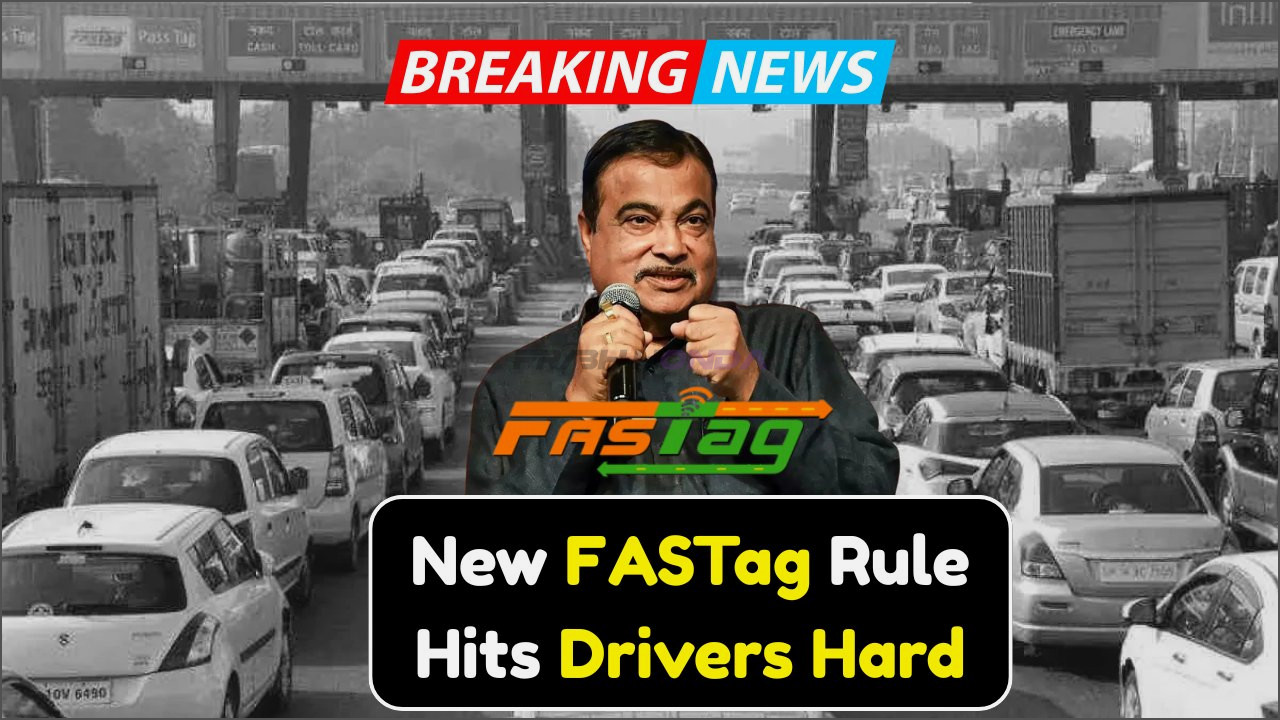
New FASTag Guidelines: The National Highways Authority of India (NHAI) has introduced updated guidelines for FASTag users to streamline toll payments and avoid double charges.
Understanding the Latest FASTag Updates
FASTag, the electronic toll collection system, has become a crucial part of the Indian highway experience. The new guidelines aim to enhance user convenience by addressing common issues like double toll payments and technical glitches.
These updates are a response to user feedback and technological advancements, promising smoother transitions through toll plazas and ensuring that commuters only pay the correct toll amount.
Key Changes in FASTag Usage Rules
To help you navigate the latest updates, here are the essential changes in FASTag guidelines:
- Improved Scanning: Enhanced RFID technology for accurate and faster scanning.
- Grace Period: Introduction of a grace period for recharging FASTags to avoid penalties.
- Error Resolution: Streamlined process for quick resolution of scanning errors.
- Balance Alerts: Real-time notifications for low balance to prevent accidental double charges.
- Dedicated Helpline: A 24/7 customer support system to address user issues promptly.
Advantages of the New FASTag Regulations
The revised guidelines bring several benefits to the table, ensuring a seamless travel experience for highway users.
- Reduced Wait Time: Faster processing at toll booths, minimizing wait times significantly.
- Cost Efficiency: Eliminates unnecessary extra charges, helping users save money.
- Enhanced Transparency: Users can track their transactions in real-time, ensuring transparency.
- Environmental Impact: Reduced idle time at tolls contributes to lower emissions.
Comparing Old and New FASTag Guidelines
| Aspect | Old Guidelines | New Guidelines |
|---|---|---|
| Technology | Basic RFID | Advanced RFID |
| Recharge Grace Period | None | Available |
| Error Resolution | Lengthy process | Streamlined |
| Balance Alerts | Manual check | Real-time notifications |
| Customer Support | Limited hours | 24/7 availability |
| Environmental Impact | Higher emissions | Reduced emissions |
| Transaction Transparency | Limited | Enhanced |
FASTag Implementation: What Users Need to Know
| Requirement | Old System | Updated System |
|---|---|---|
| Tag Issuance | Manual process | Online and offline options |
| Recharge Methods | Bank-specific | Multiple platforms |
| Dispute Resolution | Offline complaints | Online and offline support |
| Notification System | Email only | Email and SMS alerts |
| Integration with Banks | Limited banks | All major banks |
| Tag Replacement | Complex process | Simplified procedure |
How to Maximize FASTag Benefits
By understanding these changes, users can fully leverage the benefits of FASTag. Here are some tips to help you make the most out of the system:
- Ensure your FASTag is always recharged to avoid disruptions during travel.
- Regularly monitor your account for balance and transaction history.
- Utilize the customer support services for any issues you may encounter.
- Stay updated with any further changes or upgrades to the FASTag system.
- Encourage fellow travelers to adopt FASTag for hassle-free journeys.
With these steps, you can ensure a smooth and efficient travel experience on Indian highways using FASTag.
Frequently Asked Questions about FASTag
To help you better understand FASTag, here are some common questions and their answers:
- What should I do if my FASTag isn’t working? Contact the new 24/7 helpline for immediate assistance.
- How can I recharge my FASTag? Use multiple platforms like bank apps, UPI, or at toll plazas.
- What happens if I cross a toll with insufficient balance? You may be charged a penalty; ensure a sufficient balance before starting your journey.
- Is FASTag mandatory for all vehicles? Yes, it is mandatory for all vehicles traveling on national highways.
FASTag’s Role in Future Highway Management
Looking Ahead: The new guidelines represent a significant step towards modernizing India’s highway management. As FASTag evolves, it will continue to play a crucial role in the digital transformation of toll collection and traffic management.
- Integration with smart city projects for real-time traffic analysis.
- Potential for use in parking and fuel payments.
- Continued improvements to enhance user experience and system efficiency.
- Collaboration with tech firms to innovate further in the field.
Conclusion: By embracing these changes, users and authorities alike can contribute to a more efficient and sustainable transportation system across India.
- Stay informed about updates to remain compliant.
- Share your experiences to help improve the system.
- Adopt digital payment methods for ease of use.
- Participate in feedback polls initiated by NHAI.
Final Thoughts on FASTag Evolution
The evolution of FASTag is a testament to India’s commitment to digital infrastructure. These guidelines are not just about toll collection; they’re about setting the stage for a future where technology and transportation work hand in hand for a better tomorrow.
With ongoing advancements, FASTag is poised to redefine how we navigate our highways, making travel not just faster, but smarter.