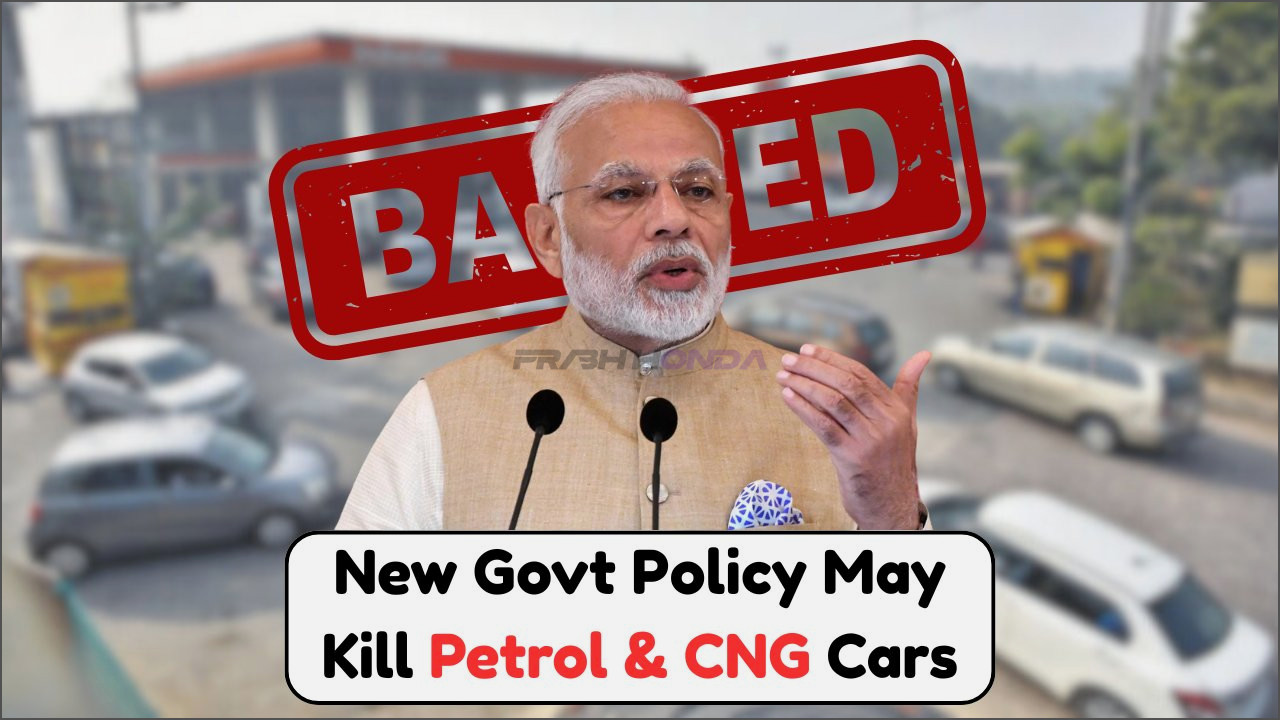
Petrol and CNG Cars Ban: The recent announcements from the Indian government have stirred the automotive industry, leaving citizens speculating about the future of petrol and CNG vehicles. As environmental concerns escalate, the government’s new policy has sparked a debate on whether these fuel types are facing an imminent ban.
Policy Details and Implications for Petrol and CNG Cars
The government’s commitment to reducing carbon emissions has led to the implementation of several new policies aimed at promoting greener alternatives. The recent announcements have suggested a shift towards electric vehicles (EVs), but clarity on how this impacts existing petrol and CNG cars remains elusive.
Key Points of the Policy:
- Increased tax incentives for electric vehicles.
- Phased introduction of stricter emission norms for petrol and CNG cars.
- Subsidies to encourage the development of EV infrastructure.
- Ambitious targets for reducing vehicular pollution by 2030.
Industry Reactions to Potential Petrol and CNG Cars Ban
Automakers and stakeholders have expressed varied opinions regarding these developments.
Key Industry Responses Include:
- Automotive Manufacturers: While some manufacturers are accelerating their shift towards EV production, others are calling for a balanced approach that includes cleaner petrol and CNG options.
- Environmental Groups: These organizations have largely welcomed the move, viewing it as a necessary step towards a sustainable future.
- Consumer Advocacy Groups: Concerns have been raised about the affordability and availability of EV alternatives for the average consumer.
- Fuel Industry: Stakeholders in the petrol and CNG sectors are lobbying for a gradual transition to avoid economic disruptions.
Comparative Analysis of Vehicle Fuel Types
| Fuel Type | Benefits | Challenges |
|---|---|---|
| Petrol | Widely available, established infrastructure | High emissions, rising cost |
| CNG | Lower emissions than petrol, cost-effective | Limited refueling stations, longer refueling time |
| Electric | Zero emissions, lower running costs | High initial cost, charging infrastructure underdeveloped |
| Hybrid | Fuel-efficient, lower emissions | Complex technology, higher maintenance |
Public Sentiment Towards a Ban on Petrol and CNG Cars
The uncertainty surrounding the future of petrol and CNG cars has led to mixed public reactions. While some are eager for cleaner air, others worry about the economic impact and feasibility of transitioning to electric vehicles.
| Group | Sentiment | Concerns |
|---|---|---|
| Urban Residents | Mostly supportive | Infrastructure readiness |
| Rural Population | Skeptical | Access to EVs, cost concerns |
| Young Professionals | Enthusiastic | Job opportunities in EV sector |
| Older Generations | Resistant | Comfort with existing vehicles |
| Business Owners | Mixed | Impact on operations, costs |
Next Steps in the Transition to Electric Vehicles
As the government pushes towards a greener future, several initiatives are in the pipeline to facilitate this transition.
- Expansion of electric charging stations across urban and rural areas.
- Partnerships with automotive companies to boost EV production.
- Awareness campaigns to educate the public on benefits of EVs.
Challenges Ahead:

Unlock a ₹50,000 Aadhaar Loan from Home in Minutes: Your Guide to Easy, Bank-Free Application
- Ensuring affordability and accessibility of electric vehicles for all economic strata.
- Managing the economic impact on industries reliant on petrol and CNG.
- Balancing environmental goals with practical implementation strategies.
Conclusion on the Future of Petrol and CNG Cars
The road ahead for petrol and CNG cars in India is fraught with uncertainty.
It remains to be seen how the government will address these challenges.
- Stakeholder engagement will be crucial in ensuring a smooth transition.
- Continuous policy evaluation and adjustment will be necessary.
- Public participation and feedback will shape future strategies.
- Ultimately, a balanced approach may provide the most sustainable path forward.
Final Thoughts on Policy Implications
The new policy has undoubtedly sparked confusion and concern among citizens and industry players alike. The government must tread carefully to balance environmental goals with economic realities. The coming months will likely see further discussions and clarifications as India navigates this complex transition.
Public and industry feedback will play a crucial role in shaping the final outcomes.
- Engagement with stakeholders will help refine policies.
- Monitoring the impact of current measures will guide future actions.
- Adaptability in policy implementation will be key to success.
As India strives for a cleaner future, the journey will require cooperation and innovation from all sectors.